ChatGPT said:
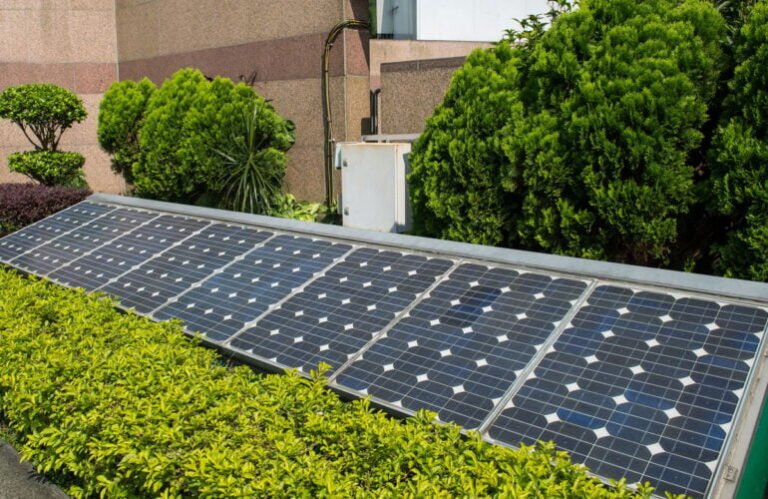
A solar panel is a renewable energy device designed to capture sunlight and convert it into electricity through a process called the photovoltaic effect. It is made up of many photovoltaic (PV) cells, usually composed of semiconductor materials like silicon, which absorb sunlight and release electrons, generating an electric current. This electricity is first produced as direct current (DC) and then converted into alternating current (AC) using an inverter, making it suitable for homes, businesses, and industrial use.
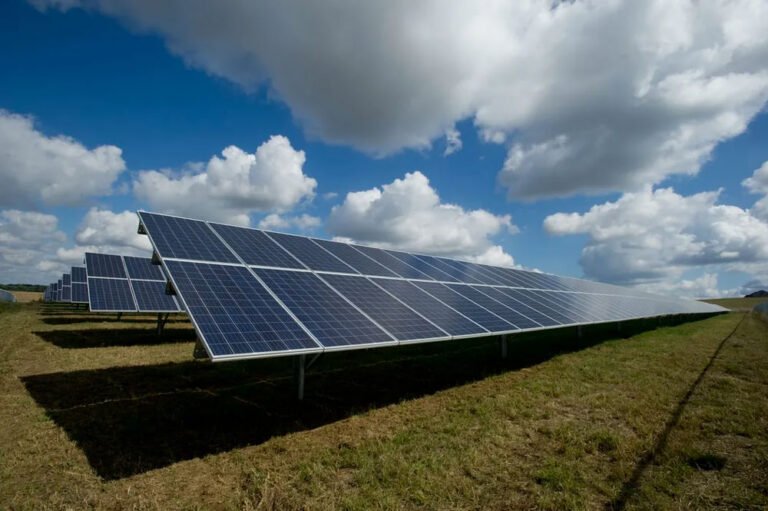
Solar panels are widely used because they provide a clean, sustainable, and eco-friendly energy source, reducing dependence on fossil fuels and lowering greenhouse gas emissions. They can be installed on rooftops, open lands, or integrated into large solar farms, and their efficiency depends on factors like sunlight exposure, angle, and maintenance. Over time, solar panels not only help in cutting electricity costs but also contribute significantly to environmental conservation by promoting the use of renewable energy.
1. Monocrystalline Solar Panels (Mono-SI)
Made from a single continuous crystal structure of silicon.
Typically black in color with rounded edges.
Known for high efficiency (15–22%) and excellent performance even in low light.
Space-efficient, making them ideal for homes with limited roof space.
Slightly more expensive due to the manufacturing process.
2. Polycrystalline Solar Panels (Poly-SI)
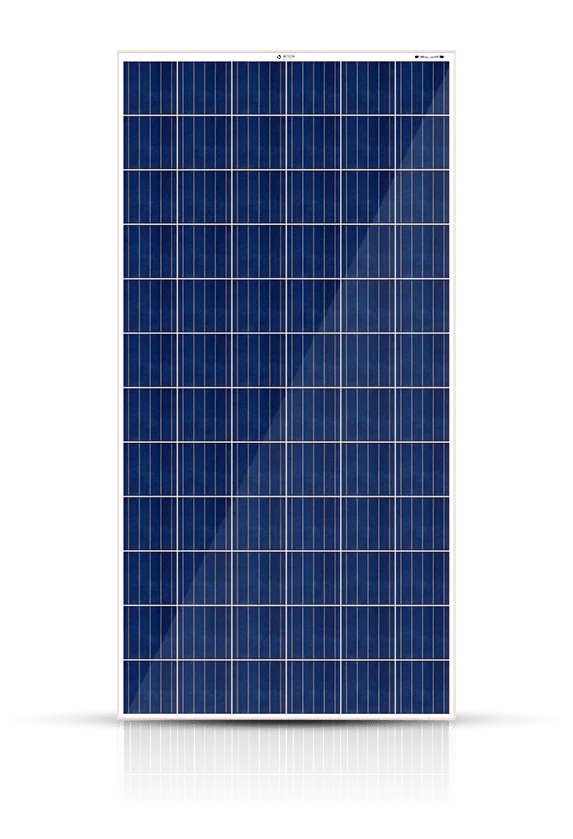
Made by melting multiple fragments of silicon together.
Appear blue with a speckled look.
Have lower efficiency (13–17%) compared to monocrystalline panels.
More affordable, but require more space to generate the same power.
- Popular choice for homeowners and businesses on a budget.
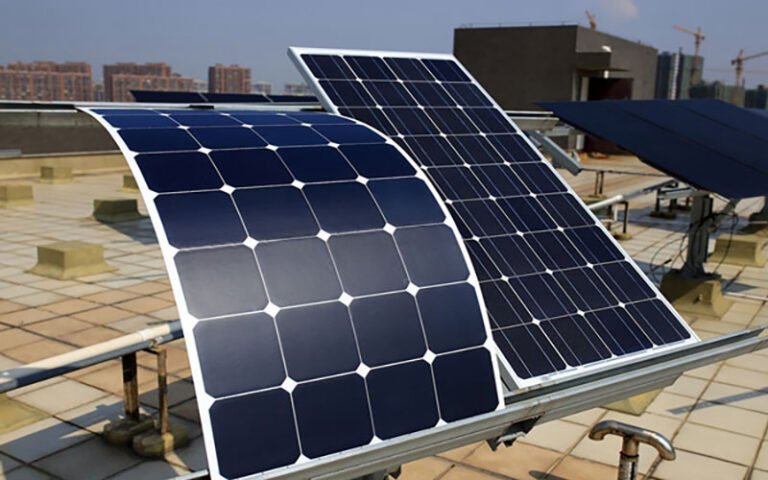
3. Thin-Film Solar Panels
Made by layering one or more thin films of photovoltaic material (like cadmium telluride or amorphous silicon) onto glass, plastic, or metal.
Lightweight, flexible, and easy to install on various surfaces.
Usually less efficient (10–13%) and require a lot of space.
Best suited for large-scale projects, commercial buildings, or portable solar devices.